Video content has become one of the most effective ways to educate, entertain, and engage audiences across digital platforms. From YouTube creators and social media influencers to businesses, educators, filmmakers, and marketers, high-quality videos are now an essential part of communication. To produce professional-looking content, you need reliable video editing software.
Modern video editing software enables users to edit raw footage, add transitions, apply visual effects, improve audio, insert subtitles, and export videos in high resolution. Whether you’re creating short social media clips, business presentations, cinematic films, online courses, or promotional videos, the right editing software helps transform ideas into polished productions.
With advancements in artificial intelligence (AI), cloud collaboration, and real-time editing, today’s video editors offer faster workflows, automated enhancements, and intuitive interfaces suitable for both beginners and professionals. This guide covers everything you need to know about video editing software, including its features, benefits, types, use cases, and tips for choosing the best solution.
What Is Video Editing Software?
Video editing software is a digital application used to modify, organize, enhance, and produce video content. It allows users to combine video clips, trim unwanted sections, add transitions, apply effects, improve audio quality, insert text, and export finished videos in various formats.
Video editing software is widely used in:
- YouTube content creation
- Social media marketing
- Film production
- Television broadcasting
- Online education
- Corporate training
- Advertising
- Gaming
- Product demonstrations
- Event videography
Modern editing tools provide both basic and advanced features, making it possible for beginners and professionals to create high-quality videos efficiently.
Why Is Video Editing Software Important?

Professional editing transforms ordinary footage into engaging visual content. Video editing software improves storytelling, enhances production quality, and helps creators communicate their message more effectively.
Its key benefits include:
- Creates professional-quality videos
- Improves audience engagement
- Enhances visual storytelling
- Saves editing time
- Supports multiple video formats
- Simplifies collaboration
- Optimizes videos for different platforms
- Improves audio and video quality
- Increases marketing effectiveness
- Helps build a strong online presence
Types of Video Editing Software
Different editing applications are designed for different users and production needs.
1. Basic Video Editing Software
Designed for beginners and casual users, basic editors provide essential tools such as trimming, cropping, transitions, and simple effects.
Best For
- Beginners
- Students
- Personal projects
- Social media videos
2. Professional Video Editing Software
Professional software offers advanced editing capabilities, color grading, visual effects, motion graphics, and multi-camera editing.
Best For
- Filmmakers
- Production studios
- Marketing agencies
- Professional content creators
3. Cloud-Based Video Editing Software
Cloud-based platforms allow users to edit videos online while collaborating with team members from different locations.
Benefits
- Remote access
- Real-time collaboration
- Automatic backups
- Cloud storage
- Easy sharing
4. Mobile Video Editing Apps
Mobile editors enable users to create and edit videos directly from smartphones and tablets.
Ideal for:
- Instagram Reels
- TikTok videos
- YouTube Shorts
- Travel content
- Vlogs
Key Features of Video Editing Software
The best video editing software includes powerful tools for creating professional videos.
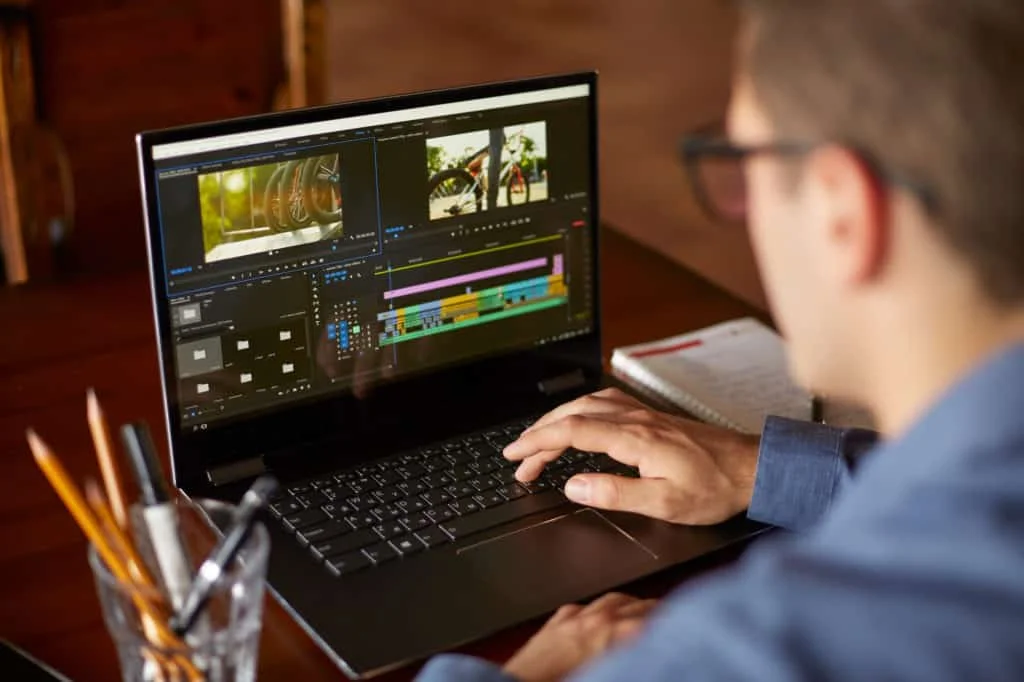
Timeline Editing
Arrange clips, audio, images, and effects using an intuitive timeline.
Video Trimming and Cutting
Remove unnecessary footage and create smooth transitions between scenes.
Visual Effects
Enhance videos with filters, animations, transitions, overlays, and cinematic effects.
Audio Editing
Adjust volume, remove background noise, synchronize voiceovers, and add music or sound effects.
Color Correction and Color Grading
Improve brightness, contrast, saturation, and overall visual appearance for a professional look.
Motion Graphics
Create animated titles, lower thirds, logos, and other visual elements.
Multi-Camera Editing
Synchronize and edit footage from multiple camera angles.
Subtitle and Caption Support
Add subtitles and captions to improve accessibility and audience engagement.
Export Options
Export videos in various formats and resolutions, including HD, Full HD, and 4K.
AI-Powered Editing
Modern video editing software often includes:
- Automatic scene detection
- AI-generated subtitles
- Background noise removal
- Object tracking
- Auto reframing
- Smart color correction
- AI voice enhancement
- Automatic highlights
These features speed up editing while improving the final output.
Benefits of Video Editing Software
Video editing software provides numerous advantages for creators and businesses.
Professional Results
Create polished videos suitable for marketing, education, entertainment, and business communication.
Increased Productivity
Automation and AI-powered tools reduce editing time and improve workflow efficiency.
Better Storytelling
Organize scenes, audio, and effects to create compelling visual narratives.
Improved Brand Identity
Consistent editing styles help businesses strengthen their brand image.
Higher Engagement
Well-edited videos attract more viewers and encourage longer watch times.
Best Video Editing Software in 2026
Some of the most popular video editing software includes:
- Adobe Premiere Pro
- Final Cut Pro
- DaVinci Resolve
- CapCut
- Filmora
- CyberLink PowerDirector
- VEGAS Pro
- iMovie
- HitFilm
- Lightworks
Each solution offers unique features for beginners, professionals, businesses, and content creators.
How to Choose the Best Video Editing Software
When selecting video editing software, consider:
- Your editing experience
- Project complexity
- Budget
- Supported operating system
- AI features
- Export quality
- Cloud collaboration
- Available templates
- Audio editing tools
- Customer support
- Software updates
- Hardware requirements
Choosing software that matches your workflow helps improve efficiency and creativity.
Best Practices
To create high-quality videos:
- Plan your edits before starting.
- Organize media files into folders.
- Use high-resolution footage.
- Keep transitions smooth and consistent.
- Balance audio levels.
- Apply color correction carefully.
- Add captions when appropriate.
- Export videos using the correct format for each platform.
- Back up projects regularly.
- Keep your editing software updated.
Common Mistakes to Avoid
Avoid these common editing mistakes:
- Overusing transitions and effects
- Poor audio quality
- Inconsistent color grading
- Low-resolution exports
- Ignoring file organization
- Excessive video length
- Forgetting to save project backups
- Using copyrighted music without permission
Frequently Asked Questions
1. What is video editing software?
Video editing software is a digital tool that allows users to edit, enhance, organize, and produce professional-quality videos using features such as trimming, transitions, effects, and audio editing.
2. What is the best video editing software?
The best video editing software depends on your needs. Adobe Premiere Pro, DaVinci Resolve, Final Cut Pro, and Filmora are among the most popular choices for different skill levels.
3. Is there free video editing software?
Yes. DaVinci Resolve, Lightworks, CapCut, and iMovie offer free versions with powerful editing features suitable for many projects.
4. What features should I look for in video editing software?
Look for timeline editing, visual effects, color grading, audio editing, subtitle support, AI-powered tools, multiple export formats, and an intuitive interface.
5. Can beginners use professional video editing software?
Yes. Many professional editing applications provide tutorials, templates, and beginner-friendly interfaces, allowing new users to learn while accessing advanced features as they grow.
Conclusion
Video editing software has become an essential tool for creators, businesses, educators, and marketers who want to produce engaging, high-quality video content. From basic editing and audio enhancement to advanced color grading and AI-powered automation, modern editing software simplifies the entire production process. By choosing the right video editing software based on your experience, budget, and project requirements, you can create professional videos that capture attention, strengthen your brand, and connect with your audience across digital platforms.