
Account audit software has become an essential tool for businesses in Kenya that want to maintain accurate financial records, ensure tax compliance, and improve transparency. With increasing regulatory requirements from the Kenya Revenue Authority (KRA) and the growing need for digital financial management, companies are moving away from manual audits and adopting automated solutions.
Common account audit software used in Kenya helps organizations track transactions, detect errors, prevent fraud, and generate audit-ready reports. These tools are widely used by small businesses, large corporations, NGOs, and accounting firms to streamline financial operations and meet compliance standards.
Digital auditing not only saves time but also improves accuracy and reduces the risk of financial misstatements. As Kenya continues to embrace digital transformation, the demand for reliable audit software is increasing across multiple industries.
What Is Account Audit Software
Account audit software is a financial tool designed to examine accounting records, identify inconsistencies, and verify that financial statements comply with regulatory and internal standards. It automates the auditing process by analyzing large volumes of financial data quickly and accurately.
Key functions include:
- Reviewing general ledger entries
- Detecting duplicate or suspicious transactions
- Verifying tax calculations
- Monitoring internal controls
- Generating audit trails and compliance reports
This software is especially important for organizations that handle high transaction volumes and need regular financial reviews.
Why Kenyan Businesses Need Audit Software
KRA Compliance Requirements
The Kenya Revenue Authority requires accurate financial reporting and proper record keeping. Audit software helps businesses prepare tax-compliant reports and avoid penalties.
Fraud Detection and Prevention
Automated systems can identify unusual patterns, unauthorized transactions, and duplicate payments that may indicate fraud.
Time and Cost Efficiency
Manual audits are time-consuming and prone to human error. Audit software reduces workload and speeds up financial reviews.
Improved Financial Transparency

Clear audit trails make it easier for management, investors, and regulators to review financial data.
Better Decision Making
Accurate financial insights help business owners make informed strategic decisions.
Common Account Audit Software Used in Kenya
Several accounting and audit tools are widely used in Kenya due to their reliability and compliance features.
QuickBooks
QuickBooks is popular among small and medium-sized businesses. It offers transaction tracking, automated reports, and audit trail features that make financial reviews easier.
Sage Accounting
Sage is widely used by medium and large organizations. It provides strong financial controls, tax compliance tools, and detailed reporting capabilities.
Xero
Xero is a cloud-based accounting platform that allows real-time financial monitoring, making it easier for auditors to review transactions remotely.
CaseWare Audit
CaseWare is commonly used by professional audit firms. It offers advanced audit documentation, risk assessment tools, and automated financial statement generation.
Tally
Tally is used by many Kenyan businesses for accounting and basic auditing functions. It is known for its simplicity and strong reporting features.
SAP Audit Management
Large enterprises in Kenya use SAP for comprehensive financial auditing, risk management, and compliance monitoring.
Features to Look for in Audit Software
Automated Audit Trails
Tracks every financial transaction and modification for transparency.
Fraud Detection Tools
Identifies unusual patterns and suspicious activities.
Tax Compliance Support
Helps generate KRA-compliant tax reports.
Data Security
Protects sensitive financial information from unauthorized access.
Cloud Integration
Allows remote access and real-time financial monitoring.
Custom Reporting
Generates tailored audit reports for different stakeholders.
Benefits of Using Audit Software in Kenya
Faster Audit Processes
Automation reduces the time required for financial reviews.
Reduced Human Error
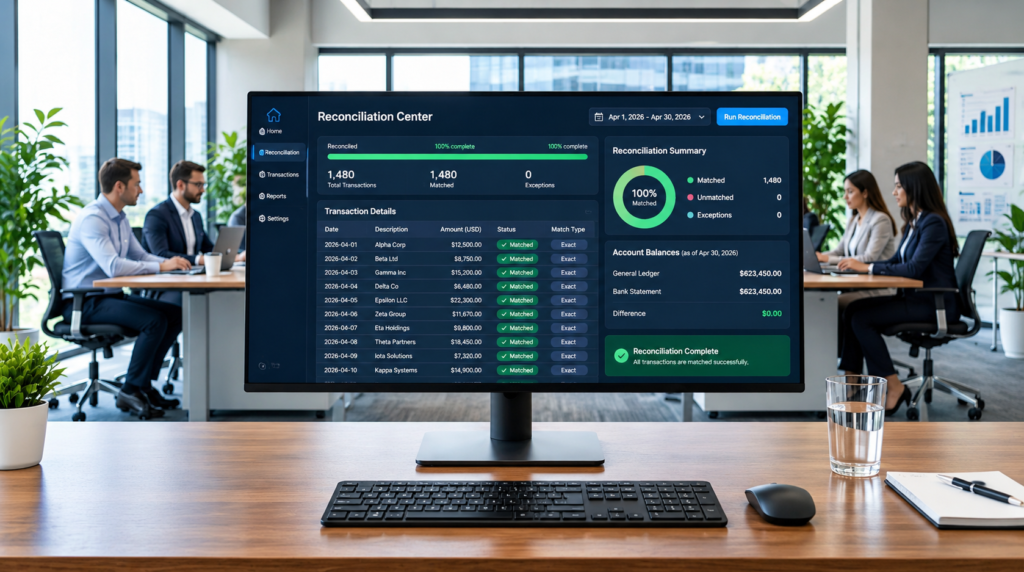
System-based calculations improve accuracy.
Real-Time Financial Monitoring
Cloud systems allow continuous auditing instead of periodic reviews.
Regulatory Compliance
Helps businesses meet Kenyan financial reporting standards.
Cost Savings
Reduces the need for extensive manual auditing.
Challenges Without Audit Software
Businesses that rely on manual auditing often face:
- Inaccurate financial records
- Increased fraud risk
- Delayed tax filings
- Poor financial visibility
- Higher operational costs
These issues can lead to penalties, loss of investor confidence, and operational inefficiencies.
How to Choose the Right Audit Software in Kenya
Business Size and Complexity
Small businesses may prefer QuickBooks or Xero, while large enterprises may require SAP or CaseWare.
Budget Considerations
Cloud-based solutions often have lower upfront costs compared to enterprise systems.
Compliance Requirements
Ensure the software supports Kenyan tax regulations and reporting standards.
Integration with Existing Systems
The audit tool should work seamlessly with your current accounting software.
Ease of Use
User-friendly interfaces reduce training time and improve adoption.
Role of Audit Software for Kenyan SMEs
Small and medium enterprises in Kenya benefit significantly from audit software because it helps them maintain proper financial records, prepare for tax audits, and improve internal controls without hiring large accounting teams.
Cloud-based solutions are particularly useful for SMEs because they offer affordability, scalability, and remote access.
Future of Account Audit Software in Kenya
As Kenya continues to adopt digital financial systems, audit software is expected to evolve with:
- AI-driven fraud detection
- Real-time compliance monitoring
- Mobile-based financial auditing
- Integration with e-invoicing systems
- Advanced data analytics for financial insights
These innovations will further improve efficiency and transparency in financial management.
FAQ’s
Which accounting standards are used in Kenya
Kenya follows the International Financial Reporting Standards (IFRS) for preparing and presenting financial statements. These standards ensure transparency, accuracy, and global comparability of financial reports.
What are the different accounting software programs
Common accounting software programs include QuickBooks, Xero, Wave Accounting, Zoho Books, FreshBooks, Marg, and NetSuite. These tools help businesses manage bookkeeping, invoicing, tax reporting, and financial analysis.
Is QuickBooks available in Kenya
Yes, QuickBooks is available in Kenya. Many businesses use QuickBooks Online because it is a secure cloud-based accounting solution that provides real-time financial data, accurate reporting, and remote access.
What software is used for audits
AuditBoard is a widely used cloud-based platform for audits, risk management, compliance tracking, and ESG reporting. It helps organizations automate audit workflows and maintain regulatory compliance.
What are the five essential accounting software tools
Five essential accounting tools every accountant should know are Xero, QuickBooks Online, Sage 50cloud, and Microsoft Excel, as they are widely used for bookkeeping, financial reporting, and data analysis.
Final Thoughts on Common Account Audit Software Used in Kenya
Common account audit software used in Kenya plays a crucial role in modern financial management. It helps businesses maintain accurate records, detect fraud, ensure tax compliance, and improve decision-making. From small enterprises using QuickBooks and Xero to large corporations relying on SAP and CaseWare, digital auditing tools are transforming how financial reviews are conducted. For Kenyan businesses aiming to stay compliant, reduce risks, and improve operational efficiency, investing in reliable audit software is no longer optional it is a strategic necessity.