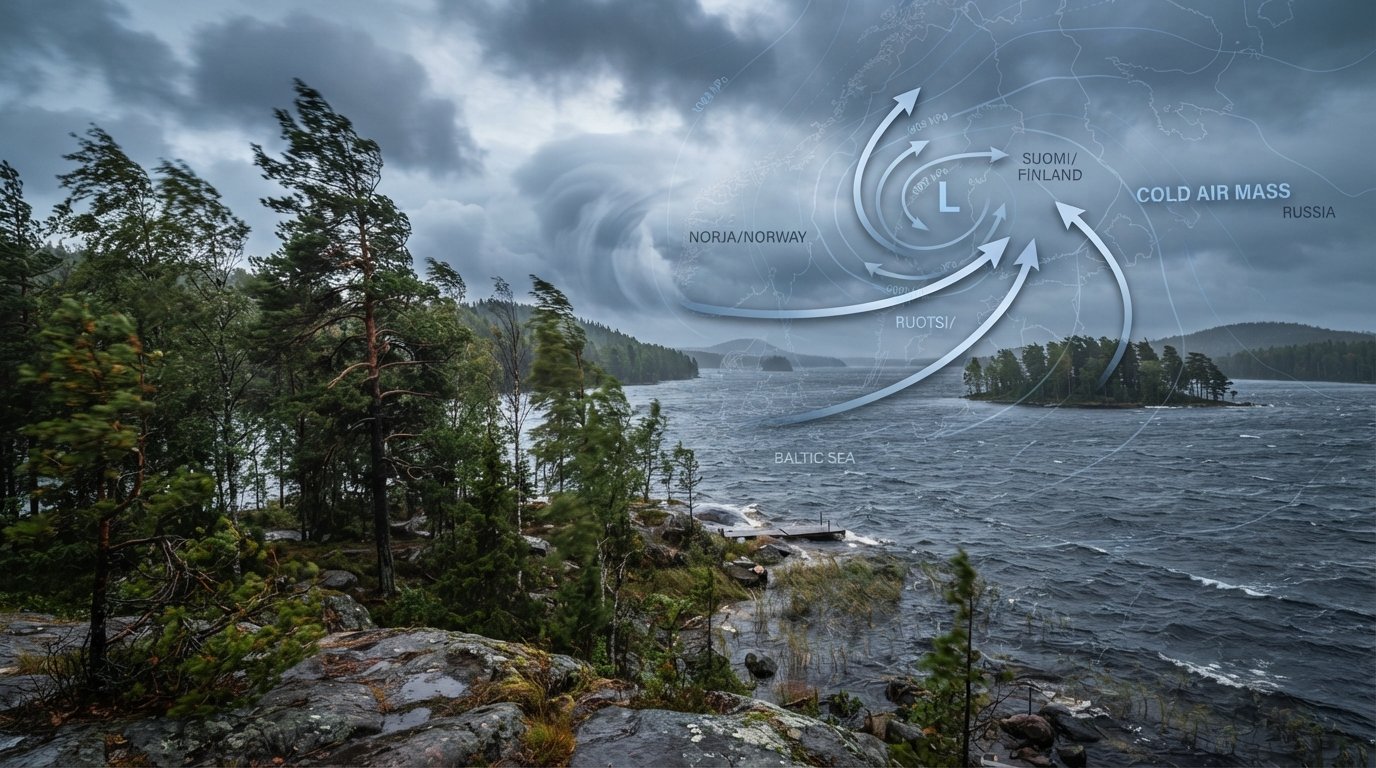
Weather patterns across Northern Europe are influenced by many natural factors, including air pressure, geography, and seasonal climate changes. One interesting phenomenon is the wind blowing from Finland, which often carries cold and dry air into neighboring regions. Depending on the season, these winds can significantly affect temperatures, humidity, visibility, and daily weather conditions.
People searching for wind blowing from Finland are usually interested in understanding why these winds occur, where they travel, and how they influence the climate of nearby countries. Whether you are a weather enthusiast, traveler, student, or simply curious about Nordic weather, this guide explains everything you need to know.
What Does Wind Blowing from Finland Mean?
The phrase wind blowing from Finland refers to air currents that originate over Finland and move toward surrounding regions. Since Finland is located in Northern Europe and experiences long, cold winters, the air masses forming over the country are often cool, dry, and stable.
When atmospheric pressure systems direct these air masses southward or westward, neighboring countries may experience lower temperatures and changes in weather conditions. During winter, these winds can increase the feeling of cold, while in other seasons they may bring fresh and clear weather.
Why Does Wind Blow from Finland?
Wind is created by differences in atmospheric pressure. Air naturally moves from areas of high pressure to low pressure. Finland frequently experiences high-pressure systems, especially during colder months, allowing cold Arctic and continental air to flow into nearby regions.
Several natural factors contribute to these wind patterns:
- High-pressure systems over Northern Europe
- Seasonal temperature differences
- Arctic air masses
- Earth’s rotation (Coriolis effect)
- Regional geography
- Movement of weather fronts
These factors work together to determine the direction and strength of winds originating from Finland.
Characteristics of Wind Blowing from Finland
Winds coming from Finland often have distinct characteristics that make them different from warmer southern air masses.
Cold Temperatures
During autumn and winter, Finnish air is generally cold due to the country’s northern location. These winds can cause a noticeable drop in temperature in nearby areas.
Low Humidity
Because continental air contains less moisture than oceanic air, winds from Finland are often relatively dry.
Clear Weather
High-pressure systems commonly associated with these winds may produce sunny skies and improved visibility, although colder temperatures remain.
Seasonal Variation
The effects of Finnish winds change throughout the year. Winter winds are much colder, while spring and autumn winds are usually cool and refreshing.
How Wind from Finland Affects Neighboring Countries
Several European countries experience weather influenced by air masses moving from Finland.
Sweden
Eastern Sweden may experience cooler temperatures when winds arrive from Finland across the Gulf of Bothnia.
Baltic Countries
Estonia, Latvia, and Lithuania can experience colder weather, particularly during winter outbreaks.
Northwestern Russia
Areas near Finland often receive similar cold air masses, contributing to freezing winter conditions.
Northern Europe
Depending on broader atmospheric circulation, Finnish winds may influence weather patterns across parts of Scandinavia and surrounding regions.
Seasonal Effects of Finnish Winds
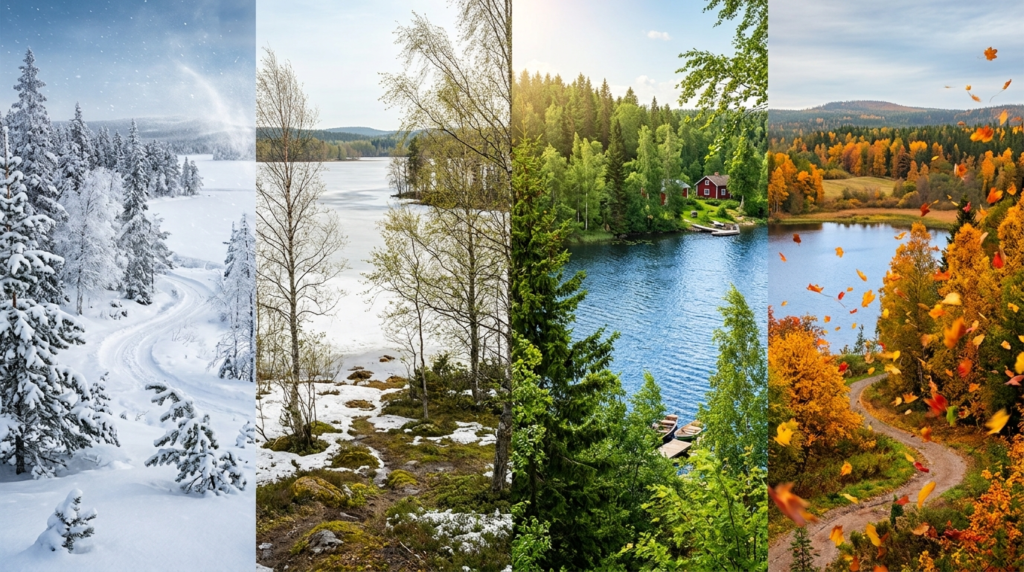
Winter
Winter is when wind blowing from Finland has the greatest impact. Cold continental air can lower temperatures significantly, increase frost formation, and create icy conditions.
Spring
During spring, these winds may delay warming by bringing cooler air after periods of mild weather.
Summer
Summer winds from Finland are generally more pleasant, offering cooler temperatures during warm periods and making outdoor activities more comfortable.
Autumn
Autumn winds often signal the arrival of cooler weather and changing seasonal conditions as Northern Europe transitions toward winter.
Benefits of Wind Blowing from Finland
Although cold winds are often associated with lower temperatures, they also provide several environmental and weather-related benefits.
- Improves air circulation
- Brings fresh, clean air
- Can reduce humidity levels
- Helps clear fog and pollution
- Supports natural climate balance
- Contributes to seasonal weather patterns
These natural processes are an important part of Northern Europe’s climate system.
Environmental Impact of Wind Blowing from Finland
The wind blowing from Finland plays an important role in maintaining the natural climate balance of Northern Europe. These winds transport cold air masses, regulate seasonal temperatures, and influence humidity levels across nearby regions. While they may feel harsh during winter, they are part of the Earth’s natural atmospheric circulation.
Some environmental effects include:
- Helps distribute cold air across Northern Europe.
- Influences cloud formation and precipitation.
- Improves air quality by moving stagnant air.
- Supports healthy ecosystem cycles.
- Contributes to seasonal climate changes.
These natural wind patterns are essential for maintaining regional weather stability.
How Wind Blowing from Finland Affects Daily Life
People living in or traveling to Northern Europe often notice the effects of Finnish winds, especially during the colder months.
Outdoor Activities
Cold winds can make temperatures feel lower than the actual reading, so wearing layered clothing is important during winter.
Travel Conditions
Strong winds may affect ferry services, flights, and road travel during severe weather events. Travelers should always check local forecasts before heading out.
Agriculture
Farmers monitor seasonal wind patterns because temperature changes can influence crop growth, soil moisture, and planting schedules.
Energy Production
Wind is an important renewable energy source in Northern Europe. While wind blowing from Finland is not solely responsible for wind power generation, natural wind patterns contribute to the efficiency of wind farms across the region.
Tips for Staying Safe During Cold Winds
If you’re visiting Finland or neighboring countries during colder seasons, these practical tips can help you stay comfortable and safe.
- Wear warm, layered clothing.
- Protect your hands, ears, and face from cold winds.
- Stay informed by checking local weather forecasts.
- Drink enough water, even during cold weather.
- Be cautious when driving on icy roads.
- Allow extra travel time during severe weather.
Preparing for changing weather conditions makes outdoor activities much safer and more enjoyable.
Interesting Facts About Finland’s Climate
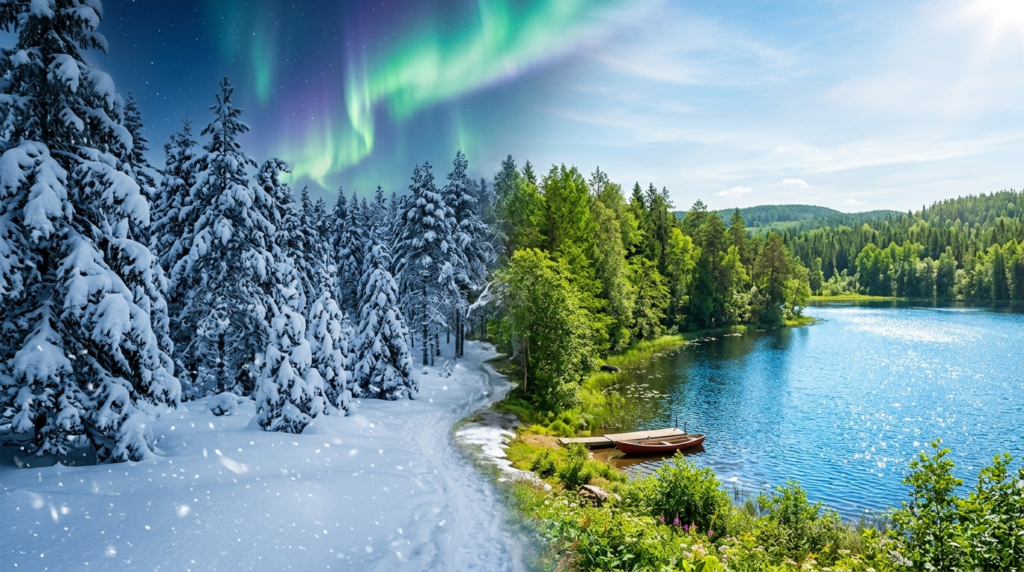
Finland is known for its unique climate and natural beauty. Here are a few interesting facts:
- Finland experiences long, cold winters and mild summers.
- The country is home to thousands of lakes and vast forests.
- Northern Finland experiences the Midnight Sun in summer and Polar Night in winter.
- Snow covers much of the country during winter.
- Finland is one of Europe’s cleanest and most environmentally friendly nations.
These characteristics influence the country’s weather patterns and contribute to the formation of cool air masses that move into neighboring regions.
Frequently Asked Questions
1. What does “wind blowing from Finland” mean?
It refers to air masses that originate over Finland and move toward nearby regions. These winds are often cool or cold, depending on the season, and can influence temperatures and weather conditions.
2. Why is wind from Finland usually cold?
Finland’s northern location and long winters allow cold air masses to develop. When atmospheric pressure systems move this air southward or westward, nearby areas experience cooler temperatures.
3. Which countries are affected by wind blowing from Finland?
Countries such as Sweden, Estonia, Latvia, Lithuania, and parts of Northwestern Russia may experience weather influenced by air masses originating from Finland.
4. Does wind blowing from Finland affect the climate?
Yes. These winds help regulate seasonal weather, influence temperature changes, humidity levels, and contribute to Northern Europe’s overall climate patterns.
5. Is wind blowing from Finland dangerous?
Under normal conditions, these winds are a natural part of regional weather. However, strong winter winds combined with snow or freezing temperatures can create hazardous travel and outdoor conditions.
Conclusion
Wind blowing from Finland is an important natural weather phenomenon that influences temperatures, seasonal changes, and climate across Northern Europe. These cool air masses help shape regional weather patterns, improve air circulation, and contribute to environmental balance. Understanding how Finnish winds develop and affect surrounding countries allows travelers, weather enthusiasts, and residents to better prepare for changing weather conditions.