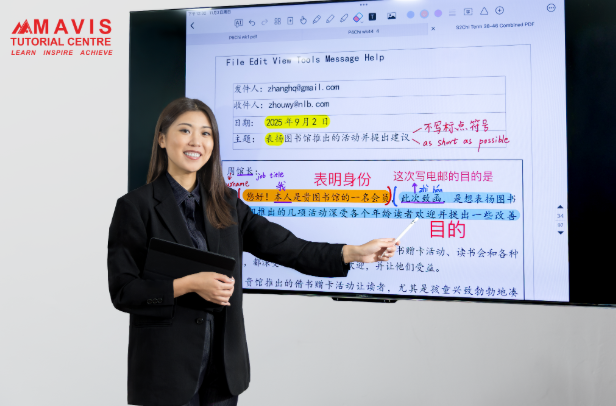
Chinese remains one of the most important subjects within Singapore’s education system. As a mother tongue language, it plays a significant role in academic progression and helps students connect with their cultural heritage. However, many secondary school students find Chinese increasingly challenging as they advance through different levels of study.
For this reason, many parents seek secondary Chinese tuition Singapore programmes to provide additional academic support. While every student faces unique learning difficulties, there are several common challenges that affect a large number of learners. Understanding these obstacles and knowing how to address them can make a significant difference in a student’s confidence, language proficiency, and examination performance.
Why Chinese Becomes More Difficult in Secondary School
The transition from primary school Chinese to secondary school Chinese can be demanding. Students are exposed to more advanced vocabulary, longer comprehension passages, sophisticated writing tasks, and higher expectations in oral communication.
Unlike the lower levels, secondary Chinese requires students to analyse information, express opinions clearly, and demonstrate deeper language understanding. Many students who performed reasonably well in primary school discover that they need new learning strategies to keep pace with the increased difficulty.
Some contributing factors include:
- More complex vocabulary and idiomatic expressions
- Higher-order comprehension questions
- Greater emphasis on critical thinking
- Advanced composition requirements
- Increased oral examination expectations
Recognising these challenges early allows students and parents to take proactive steps towards improvement.
Challenge 1: Limited Vocabulary and Language Exposure
Vocabulary forms the foundation of language learning. Without a strong vocabulary bank, students often struggle to understand texts, express ideas, and perform well in examinations.
Many students in Singapore use English as their primary language at home and in social settings. As a result, they may have limited opportunities to practise Chinese outside the classroom.
How Limited Vocabulary Affects Performance
A weak vocabulary can lead to difficulties in:
- Reading comprehension
- Composition writing
- Oral communication
- Listening comprehension
- Understanding examination questions
Students may understand the general meaning of a passage but miss important details because they do not recognise key words or phrases.
Strategies to Improve Vocabulary
Building vocabulary requires consistent effort over time.
Students can benefit from:
- Reading Chinese books, newspapers, and articles regularly
- Creating vocabulary notebooks
- Learning new words within context
- Reviewing commonly tested phrases
- Using flashcards for revision
Many secondary Chinese tuition Singapore programmes incorporate structured vocabulary-building exercises to help students expand their language knowledge systematically.
Challenge 2: Struggles with Reading Comprehension
Comprehension sections often present one of the biggest challenges in Chinese examinations. Students must not only understand the passage but also interpret meanings, identify themes, and support answers with evidence.
Common Comprehension Difficulties
Students frequently encounter problems such as:
| Challenge | Impact on Results |
| Misunderstanding vocabulary | Incorrect answers |
| Difficulty identifying key points | Incomplete responses |
| Weak inference skills | Loss of marks |
| Poor time management | Unfinished sections |
| Limited analytical thinking | Lower overall scores |
As secondary school examinations become more demanding, comprehension questions increasingly assess reasoning and interpretation rather than simple recall.
How to Strengthen Comprehension Skills
Students can improve their reading abilities by:
- Reading a variety of Chinese texts regularly
- Practising examination-style questions
- Summarising passages in their own words
- Learning how to identify supporting evidence
- Reviewing model answers carefully
Consistent exposure to different reading materials helps students become more comfortable with complex texts.
Challenge 3: Difficulty Writing High-Quality Compositions
Composition writing requires students to combine vocabulary, grammar, creativity, and organisation. Many students struggle because they have ideas but cannot express them effectively in written Chinese.
Common Composition Problems
Students often face issues such as:
- Repetitive vocabulary
- Weak sentence structures
- Limited content development
- Poor organisation
- Insufficient descriptive language
These weaknesses can affect both content and language marks.
Practical Ways to Improve Composition Writing
Improvement comes through regular practice and exposure to quality examples.
Useful approaches include:
- Reading model essays
- Learning effective introductions and conclusions
- Building a collection of useful phrases
- Practising descriptive writing
- Seeking feedback from teachers and tutors
Students who write regularly often develop stronger confidence and greater flexibility in expressing ideas.
Challenge 4: Lack of Confidence in Oral Examinations
Many students find oral examinations intimidating. Speaking Chinese under examination conditions can create anxiety, even for students who perform reasonably well in written papers.
Reasons for Oral Examination Anxiety
Students may feel nervous because:
- They are afraid of making mistakes
- They have limited speaking practice
- They struggle to organise thoughts quickly
- They lack confidence in pronunciation
- They feel pressured during examiner interactions
Since oral communication contributes significantly to overall Chinese performance, addressing these concerns is essential.
Effective Oral Preparation Strategies
Students can improve oral performance by:
- Speaking Chinese daily whenever possible
- Discussing current affairs and everyday topics
- Watching Chinese news and educational programmes
- Recording and reviewing speaking practice
- Participating in mock oral sessions
Regular practice helps students become more comfortable expressing their thoughts spontaneously.
Challenge 5: Weak Listening Comprehension Skills
Listening comprehension is often overlooked during revision. However, this component requires students to process information quickly and accurately.
Common Listening Challenges
Students may struggle with:
- Fast speech delivery
- Unfamiliar vocabulary
- Identifying important details
- Understanding different accents
- Maintaining concentration
Unlike reading tasks, students cannot revisit information multiple times during an examination.
How to Improve Listening Skills
Students can strengthen listening abilities through regular exposure.
Recommended activities include:
- Listening to Chinese podcasts
- Watching Chinese documentaries
- Following Chinese radio programmes
- Completing listening practice exercises
- Taking notes while listening
The more students hear Chinese used naturally, the easier it becomes to understand spoken content.
Challenge 6: Low Motivation Towards Chinese Learning
Motivation plays a crucial role in language learning. Some students view Chinese as a difficult subject and become discouraged after experiencing poor results.
Factors That Affect Motivation
Common reasons include:
- Repeated academic struggles
- Lack of confidence
- Limited opportunities to use Chinese
- Fear of examinations
- Negative past experiences
When students lose motivation, they often reduce practice time, creating a cycle that further affects performance.
Encouraging Greater Engagement
Parents and educators can help students develop a more positive attitude towards Chinese by:
- Setting realistic goals
- Celebrating small improvements
- Making learning interactive
- Introducing Chinese cultural activities
- Providing positive encouragement
Motivated students are more likely to practise consistently and persevere through challenges.
The Importance of Consistent Practice
Chinese language mastery cannot be achieved through last-minute revision. Like any language, improvement requires continuous exposure and application.
Successful students typically:
- Read Chinese regularly
- Review vocabulary consistently
- Practise oral communication frequently
- Complete writing exercises weekly
- Analyse mistakes carefully
Developing these habits gradually builds stronger language foundations and improves examination readiness.
How Additional Academic Support Can Help
While schools provide comprehensive Chinese instruction, some students benefit from additional guidance outside the classroom. Structured learning support can help reinforce concepts, address weaknesses, and provide more personalised feedback.
Many families choose secondary chinese tuition Singapore programmes because they offer:
- Smaller learning environments
- Individualised attention
- Additional examination practice
- Targeted skill development
- Regular progress monitoring
Established education providers such as Mavis Tutorial Centre support students through structured lessons designed to strengthen vocabulary, comprehension, composition writing, oral communication, and examination techniques. Such support can complement school learning and help students develop greater confidence in the subject.
Final Thoughts
Chinese language learning provides valuable opportunities for students to strengthen communication skills, deepen cultural understanding, and achieve academic success. By identifying learning challenges early and applying effective strategies, students can build confidence, improve performance, and develop stronger language foundations over time.
Many families also find that structured Chinese tuition provides additional guidance, targeted practice, and expert feedback that complements school learning. With consistent effort, regular review, and the right support, students can turn language challenges into measurable progress and long-term success.
Parents looking for structured Chinese language support and practical learning strategies can explore the programmes available at mavistutorial.com, where students receive targeted instruction, regular progress monitoring, and guidance designed to build confidence and improve performance.