As digital payments continue to grow worldwide, businesses face increasing pressure to protect customer transactions from fraud, data breaches, and payment card abuse. Traditional magnetic stripe payment systems are no longer sufficient to meet modern security requirements. This is where EMV Software plays a critical role.
EMV Software helps businesses, financial institutions, payment processors, and merchants securely process chip-based card transactions while maintaining compliance with global payment standards. By supporting secure authentication, encryption, transaction verification, and payment processing, EMV Software significantly reduces fraud risks and improves transaction security.
Whether you’re a merchant, payment service provider, bank, fintech company, or POS system operator, understanding EMV Software is essential for secure payment acceptance in 2026 and beyond.
In this guide, you’ll learn everything about EMV Software, including its features, benefits, implementation process, compliance requirements, security advantages, and frequently asked questions.
What Is EMV Software?
EMV Software is a payment technology solution that enables secure processing of EMV chip card transactions. EMV stands for Europay, Mastercard, and Visa, the organizations that originally developed the EMV standard for payment card security.
EMV Software works with payment terminals, card readers, point-of-sale systems, and payment gateways to authenticate chip cards and securely process transactions.
Key Functions of EMV Software
- Chip card authentication
- Secure payment processing
- Transaction encryption
- Fraud prevention
- PIN verification
- Contact and contactless payment support
- Compliance management
Why EMV Software Matters
Without EMV technology, businesses face higher fraud risks and potential financial liabilities associated with card-present transactions.
How EMV Software Works
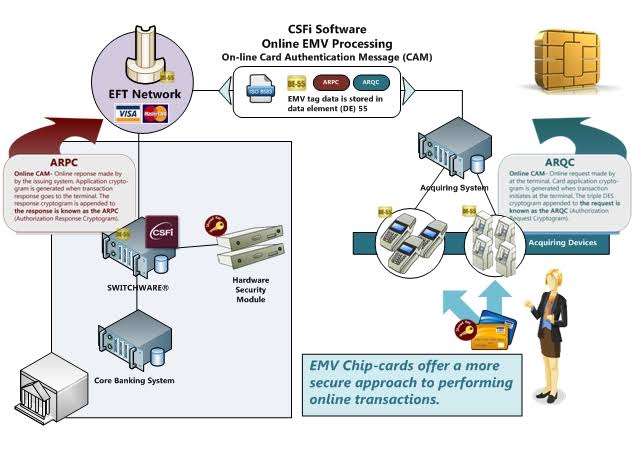
EMV Software creates a secure communication process between the payment card, terminal, and payment processor.
Transaction Process
- Customer inserts or taps an EMV card.
- EMV Software initiates card authentication.
- Unique transaction data is generated.
- Payment processor verifies transaction details.
- Authorization is approved or declined.
- Secure payment is completed.
Security Advantage
Unlike magnetic stripe cards, EMV transactions generate unique cryptographic data for every transaction, making card cloning significantly more difficult.
Key Features of EMV Software
1. EMV Chip Card Processing
The core feature of EMV Software is secure chip card transaction processing.
Benefits
- Enhanced security
- Reduced card fraud
- Improved transaction integrity
- Better customer trust
2. Contactless Payment Support
Modern consumers increasingly prefer tap-to-pay transactions.
Supported Technologies
- NFC payments
- Contactless EMV cards
- Mobile wallets
- Digital payment platforms
Benefits
- Faster checkout
- Improved convenience
- Enhanced customer experience
3. Transaction Encryption
EMV Software protects sensitive payment data using advanced encryption methods.
Security Features
- Data encryption
- Secure key management
- Transaction tokenization
- Fraud prevention mechanisms
Advantages
- Reduced data theft risks
- Improved payment security
- Regulatory compliance support
4. PIN Verification
Many EMV implementations support PIN-based verification.
Benefits
- Stronger authentication
- Additional fraud protection
- Improved cardholder security
5. Fraud Detection and Prevention
Fraud prevention remains one of the biggest reasons businesses adopt EMV technology.
Capabilities
- Transaction validation
- Suspicious activity detection
- Authentication verification
- Security monitoring
Benefits
- Lower fraud losses
- Reduced chargebacks
- Improved risk management
6. Payment Terminal Integration
EMV Software integrates with various payment devices.
Supported Systems
- POS terminals
- Mobile payment terminals
- Self-service kiosks
- Retail checkout systems
Benefits
- Seamless deployment
- Flexible integration
- Improved scalability
Benefits of EMV Software
Enhanced Security
EMV Software significantly reduces counterfeit card fraud by using dynamic authentication methods.
Improved Customer Confidence
Consumers trust businesses that prioritize payment security.
Regulatory Compliance
EMV Software helps organizations meet payment industry requirements.
Reduced Fraud Losses

Businesses often experience fewer fraudulent transactions after implementing EMV solutions.
Future-Proof Payment Processing
EMV technology supports evolving payment methods and digital transaction environments.
Industries That Use EMV Software
Retail Stores
- Secure card payments
- Faster checkout experiences
Restaurants
- Contactless payment acceptance
- Mobile payment support
Financial Institutions
- Secure transaction processing
- Fraud management
Healthcare Providers
- Protected patient payments
- Compliance support
Hospitality Businesses
- Secure guest transactions
- International card acceptance
EMV Software vs Traditional Magnetic Stripe Processing
| Feature | EMV Software | Magnetic Stripe |
|---|---|---|
| Security | High | Low |
| Fraud Protection | Advanced | Limited |
| Encryption | Yes | Minimal |
| Dynamic Authentication | Yes | No |
| Compliance Support | Strong | Limited |
| Contactless Payments | Supported | Not Supported |
Winner
EMV Software provides significantly stronger security and fraud prevention capabilities than traditional magnetic stripe systems.
How to Choose the Best EMV Software
Before selecting a solution, evaluate the following factors:
Security Features
- Encryption support
- Fraud prevention tools
- Authentication capabilities
Compliance Standards
- EMV compliance
- PCI DSS compatibility
- Regulatory support
Integration Options
- POS compatibility
- Payment gateway integration
- API support
Scalability
- Multi-location support
- Enterprise deployment capabilities
Vendor Support
- Technical assistance
- Software updates
- Security patches
Common EMV Software Challenges
Integration Complexity
Some businesses may require custom integration with existing systems.
Solution
Choose vendors with strong integration support and documentation.
Staff Training Requirements
Employees may need training to understand EMV payment workflows.
Solution
Provide onboarding and payment security education.
Hardware Compatibility
Older payment terminals may not support EMV functionality.
Solution
Upgrade payment hardware when necessary.
Best Practices for EMV Software Implementation
Follow These Steps
- Assess existing payment infrastructure.
- Select EMV-certified software.
- Verify hardware compatibility.
- Complete testing procedures.
- Train employees.
- Monitor transaction performance.
- Maintain regular software updates.
Pro Tip
Combining EMV Software with PCI DSS compliance practices creates a stronger overall payment security strategy.
Frequently Asked Questions
1. What is EMV Software?
EMV Software is a payment processing solution that enables secure chip card transactions using EMV standards and advanced authentication technology.
2. Why is EMV Software important?
EMV Software helps reduce payment fraud, improve transaction security, and support compliance with payment industry standards.
3. Does EMV Software support contactless payments?
Yes. Most modern EMV Software solutions support contactless cards, NFC payments, and digital wallets.
4. How does EMV Software prevent fraud?
It uses dynamic transaction authentication, encryption, and secure verification methods that make card cloning and counterfeit fraud much more difficult.
5. Is EMV Software required for businesses?
While requirements vary by region and industry, EMV adoption is strongly recommended for businesses that process card-present transactions.
Conclusion
EMV Software has become an essential component of modern payment security. By enabling secure chip card processing, transaction encryption, fraud prevention, and compliance support, it helps businesses protect customers and reduce financial risks. Organizations that implement reliable EMV Software benefit from stronger security, improved customer trust, lower fraud exposure, and a future-ready payment infrastructure capable of supporting evolving digital payment technologies.