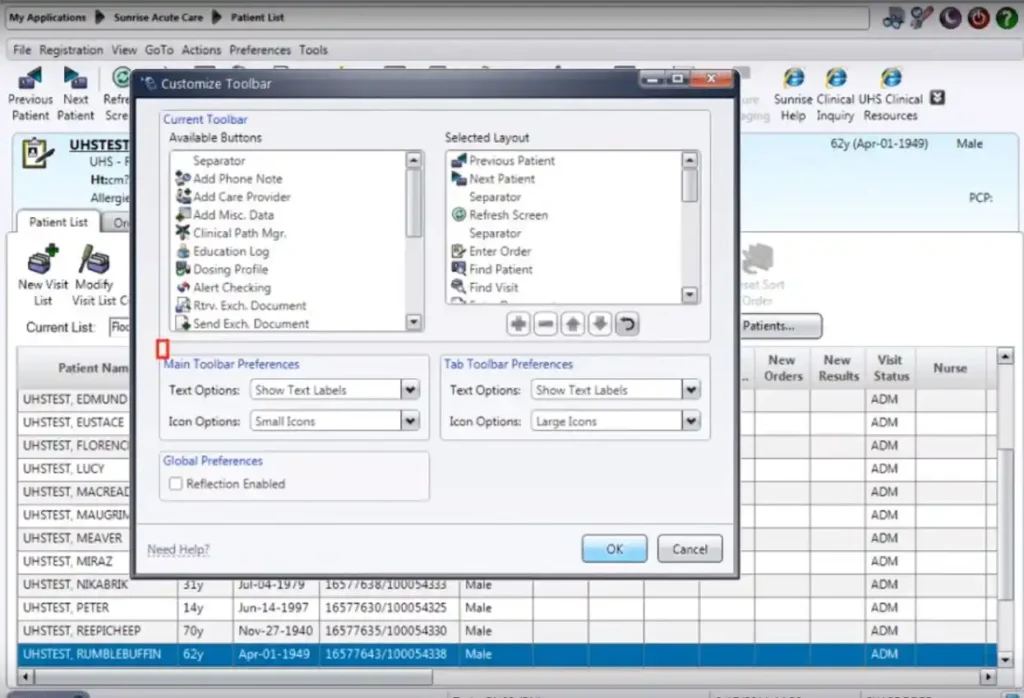
Healthcare organizations today rely heavily on digital solutions to improve patient care, streamline workflows, and enhance operational efficiency. One of the most recognized clinical information systems used by hospitals and healthcare networks is Sunrise Clinical Manager Software. Designed to support clinical decision-making, patient documentation, medication management, and care coordination, Sunrise Clinical Manager has become an important technology platform in modern healthcare environments.
As hospitals continue to embrace digital transformation, healthcare providers require solutions that offer real-time access to patient information while maintaining compliance, security, and accuracy. Sunrise Clinical Manager helps organizations achieve these goals through a comprehensive Electronic Health Record (EHR) environment that supports physicians, nurses, pharmacists, and healthcare administrators.
This complete guide explores Sunrise Clinical Manager Software, its features, benefits, workflow capabilities, implementation considerations, and how it compares to other leading healthcare information systems.
What Is Sunrise Clinical Manager Software?
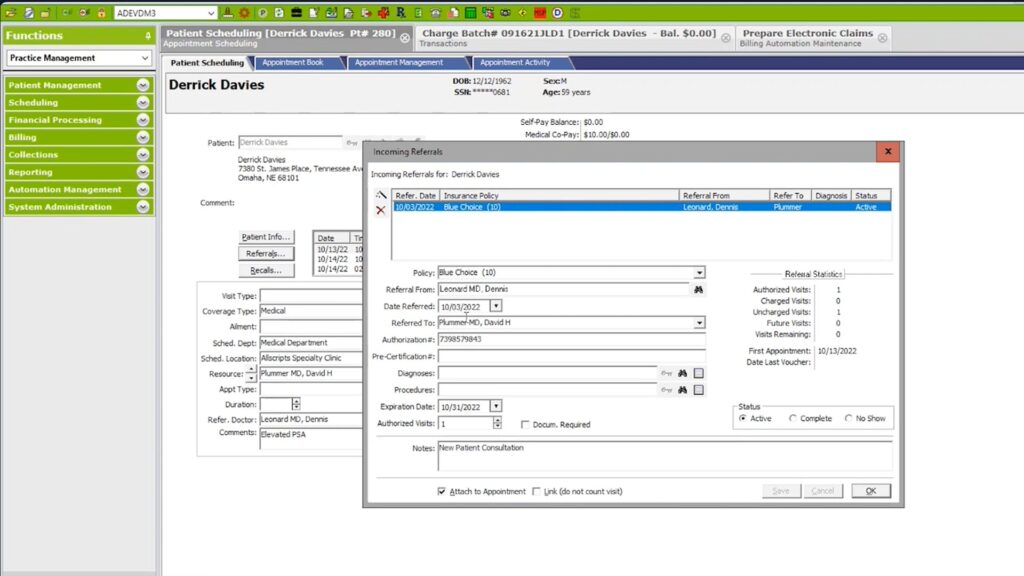
Sunrise Clinical Manager (SCM) is a clinical information and Electronic Health Record (EHR) system designed to support healthcare professionals in managing patient care efficiently. The platform centralizes patient data, enabling healthcare providers to access critical information from a single location.
The software is commonly used in hospitals, healthcare systems, and acute-care facilities where clinical workflows require coordination between multiple departments. Sunrise Clinical Manager integrates patient records, physician orders, medication administration, laboratory results, imaging reports, and clinical documentation into one unified system.
Its primary objective is to improve patient outcomes while reducing administrative burdens and enhancing communication among healthcare teams.
Key Features of Sunrise Clinical Manager Software
Electronic Health Records (EHR)
The platform provides comprehensive electronic health record functionality, allowing healthcare providers to access patient histories, diagnoses, treatment plans, allergies, medications, and laboratory results in real time.
Clinical Documentation
Healthcare professionals can create and manage patient documentation electronically. Standardized templates improve consistency while reducing manual paperwork and documentation errors.
Computerized Provider Order Entry (CPOE)
Physicians can electronically submit orders for medications, laboratory tests, imaging procedures, and treatments. This reduces communication delays and helps minimize clinical errors.
Clinical Decision Support
The system offers alerts, reminders, and evidence-based recommendations that assist clinicians in making informed treatment decisions.
Medication Management
Sunrise Clinical Manager supports medication ordering, administration tracking, and medication reconciliation processes. These features help improve patient safety and reduce medication-related complications.
Care Coordination
Multiple healthcare departments can collaborate through a shared platform, ensuring continuity of care and improved communication among clinical teams.
Reporting and Analytics
Healthcare administrators can generate reports and analyze operational data to improve performance, resource allocation, and patient outcomes.
Benefits of Sunrise Clinical Manager
Improved Patient Care
Access to accurate and up-to-date patient information enables healthcare providers to make faster and more effective clinical decisions.
Enhanced Operational Efficiency
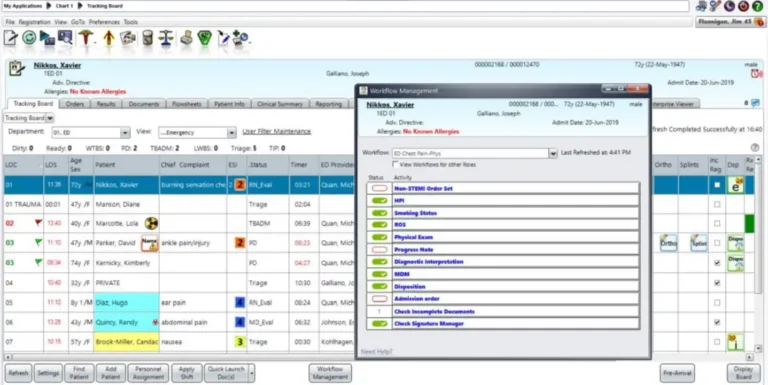
Automation of routine processes reduces paperwork and administrative tasks, allowing staff members to focus more on patient care.
Better Clinical Communication
Information is shared across departments in real time, reducing communication gaps and improving collaboration among healthcare teams.
Increased Patient Safety
Decision support tools, medication management systems, and electronic order entry help reduce preventable medical errors.
Regulatory Compliance
Electronic documentation and audit capabilities support compliance with healthcare regulations and organizational standards.
Scalability
The software can support small healthcare facilities as well as large hospital networks, making it a flexible solution for organizations of various sizes.
How Hospitals Use Sunrise Clinical Manager
Hospitals use Sunrise Clinical Manager to manage the entire patient care journey. From patient admission through discharge, the platform helps clinicians access information, document care, coordinate treatments, and monitor patient progress.
For example, when a patient is admitted to a hospital, clinicians can immediately access medical history, allergies, previous treatments, and diagnostic results. Physicians can place orders electronically, while nurses receive updated care instructions through the system.
Laboratory departments receive testing requests automatically, and results are sent directly to the patient’s record once completed. This seamless flow of information improves efficiency and reduces delays in treatment.
Real-World Use Cases
Emergency Departments
Emergency care teams use Sunrise Clinical Manager to access patient information quickly and make time-sensitive treatment decisions.
Inpatient Care Units
Nurses and physicians rely on the platform to monitor patient progress, document care activities, and coordinate treatments.
Pharmacy Departments
Medication orders are processed electronically, helping pharmacists verify prescriptions and ensure safe medication administration.
Healthcare Administration
Administrators use reporting and analytics features to monitor performance metrics, compliance requirements, and operational efficiency.
Sunrise Clinical Manager Workflow Explained
A typical workflow within Sunrise Clinical Manager follows these steps:
- Patient registration and admission.
- Clinical assessment and documentation.
- Physician order entry.
- Laboratory and diagnostic testing.
- Medication management.
- Ongoing patient monitoring.
- Care coordination among departments.
- Discharge planning and documentation.
This workflow helps healthcare organizations standardize processes while maintaining high-quality patient care.
Advantages of Sunrise Clinical Manager
| Advantage | Description |
|---|---|
| Comprehensive EHR | Centralized patient information |
| Clinical Decision Support | Evidence-based recommendations |
| Workflow Automation | Reduced manual processes |
| Medication Safety | Lower risk of medication errors |
| Real-Time Access | Faster clinical decision-making |
| Reporting Tools | Improved operational oversight |
| Scalability | Suitable for large healthcare systems |
Potential Challenges
While Sunrise Clinical Manager offers significant benefits, organizations should also consider potential implementation challenges.
Learning Curve
Healthcare staff may require extensive training to become proficient with the system.
Customization Requirements
Different healthcare organizations often require workflow customization to meet their operational needs.
Implementation Complexity
Deploying enterprise-level healthcare software involves planning, testing, and coordination among multiple stakeholders.
Change Management
Staff members may need support during the transition from legacy systems to new digital workflows.
Sunrise Clinical Manager vs Epic
| Feature | Sunrise Clinical Manager | Epic |
| EHR Functionality | Comprehensive | Comprehensive |
| Clinical Documentation | Advanced | Advanced |
| Decision Support | Strong | Strong |
| Hospital Focus | Excellent | Excellent |
| Customization | High | High |
| Scalability | High | High |
Both systems are widely used in healthcare organizations and offer robust clinical capabilities.
Sunrise Clinical Manager vs Cerner
| Feature | Sunrise Clinical Manager | Cerner |
| Patient Records | Yes | Yes |
| Medication Management | Yes | Yes |
| Clinical Documentation | Yes | Yes |
| Analytics | Yes | Yes |
| Workflow Automation | Yes | Yes |
| Care Coordination | Yes | Yes |
Healthcare organizations often compare these systems based on cost, implementation requirements, integration capabilities, and user experience.
Best Practices for Successful Implementation

Organizations considering Sunrise Clinical Manager should follow several best practices:
- Establish clear implementation goals.
- Provide comprehensive user training.
- Conduct workflow assessments before deployment.
- Engage stakeholders early in the project.
- Monitor performance after implementation.
- Continuously optimize workflows based on feedback.
Following these practices can improve adoption rates and maximize return on investment.
Future Trends in Clinical Information Systems
Healthcare technology continues to evolve rapidly. Modern clinical information systems are increasingly incorporating:
- Artificial intelligence
- Predictive analytics
- Interoperability solutions
- Cloud-based infrastructure
- Advanced cybersecurity measures
- Population health management tools
These innovations are expected to improve efficiency, patient outcomes, and healthcare delivery in the coming years.
Frequently Asked Questions
1. What is Sunrise Clinical Manager Software?
Sunrise Clinical Manager is a clinical information system and Electronic Health Record platform used by healthcare organizations to manage patient care, documentation, medication administration, and clinical workflows.
2. Is Sunrise Clinical Manager an EHR?
Yes. Sunrise Clinical Manager functions as a comprehensive Electronic Health Record system designed for hospitals and healthcare facilities.
3. What are the main benefits of Sunrise Clinical Manager?
The platform offers improved patient care, enhanced efficiency, better communication, increased patient safety, and streamlined healthcare workflows.
4. Who uses Sunrise Clinical Manager?
Hospitals, physicians, nurses, pharmacists, healthcare administrators, and clinical informatics professionals commonly use the system.
5. Does Sunrise Clinical Manager support medication management?
Yes. It includes medication ordering, tracking, administration, and safety features that help reduce medication-related risks.
Final Verdict
Sunrise Clinical Manager Software remains one of the most important clinical information systems used in modern healthcare environments. Its comprehensive EHR capabilities, advanced clinical documentation tools, medication management features, workflow automation, and care coordination functions make it a valuable solution for hospitals and healthcare organizations. As healthcare providers continue to focus on improving patient outcomes and operational efficiency, Sunrise Clinical Manager offers the tools necessary to support digital transformation initiatives. Organizations seeking a reliable and scalable clinical information platform should carefully evaluate their requirements and implementation objectives when considering Sunrise Clinical Manager as part of their healthcare technology strategy.