
Software development teams face constant challenges such as missed deadlines, poor code quality, budget overruns, and communication issues. To address these problems, organizations often adopt structured software development methodologies. One of the most effective yet underrated frameworks is the Team Software Process (TSP).
The Team Software Process helps development teams improve productivity, software quality, project predictability, and team collaboration through disciplined planning and continuous improvement.
In this guide, you’ll learn what Team Software Process is, how it works, its benefits, lifecycle, team roles, real-world applications, and how it compares to Agile, Scrum, and DevOps.
What Is Team Software Process (TSP)?
Team Software Process (TSP) is a software development framework designed to help engineering teams organize, manage, and improve their work processes. Developed by Watts S. Humphrey at the Software Engineering Institute (SEI), TSP enables teams to build high-quality software while maintaining predictable schedules and budgets.
The primary objective of TSP is to create self-directed teams that can plan, track, and continuously improve their performance throughout a project.
Key Objectives of TSP
- Improve software quality
- Reduce defects and errors
- Increase team productivity
- Improve project planning accuracy
- Enhance team communication
- Deliver projects on schedule
- Support continuous process improvement
History of Team Software Process

The Team Software Process was developed by software engineering expert Watts S. Humphrey as an extension of the Personal Software Process (PSP).
The Software Engineering Institute introduced TSP to help organizations:
- Build disciplined development teams
- Improve project predictability
- Reduce software defects
- Increase customer satisfaction
Over time, TSP became popular in industries where software reliability and quality are critical, including healthcare, finance, aerospace, and government systems.
How Team Software Process Works
TSP follows a structured approach where teams collect performance data, analyze results, and continuously improve processes.
The framework focuses on:
Planning
Teams create detailed project plans before development begins.
Measurement
Developers track:
- Time spent on tasks
- Defects found
- Productivity metrics
- Schedule progress
Quality Management
TSP emphasizes:
- Code reviews
- Peer reviews
- Design inspections
- Early defect prevention
Continuous Improvement
Performance data is used to identify weaknesses and improve future projects.
Team Roles in Team Software Process
One of the unique aspects of TSP is its clearly defined team structure.
Team Leader
Responsible for project coordination and decision-making.
Planning Manager
Creates schedules, estimates effort, and tracks project progress.
Quality Manager
Ensures quality standards are maintained throughout development.
Development Manager
Oversees technical implementation and development activities.
Support Manager
Provides tools, resources, and infrastructure support.
These specialized roles help improve accountability and team efficiency.
Team Software Process Lifecycle
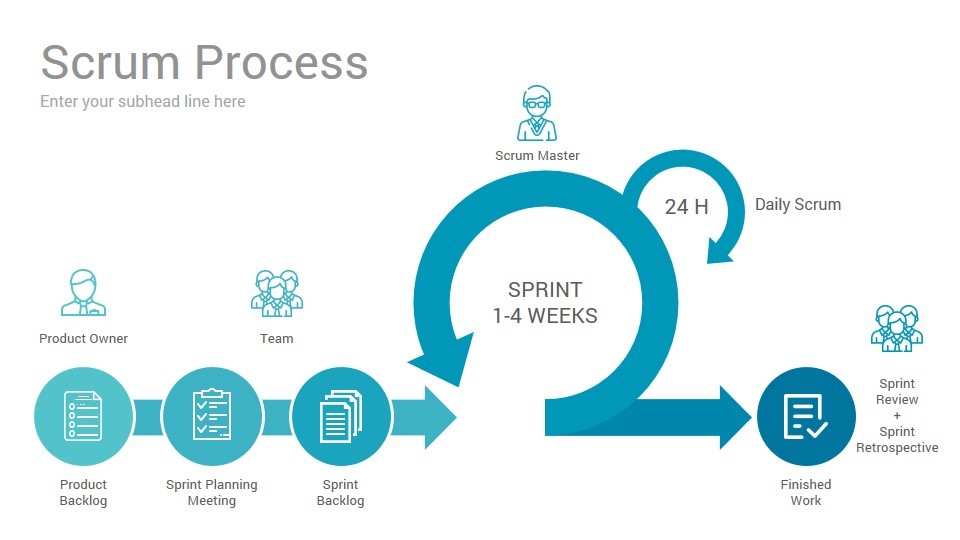
The TSP lifecycle consists of several phases.
1. Launch Phase
The team:
- Defines goals
- Assigns responsibilities
- Creates schedules
- Identifies risks
2. Development Phase
Developers build software according to the project plan while tracking performance metrics.
3. Review and Inspection Phase
The team conducts:
- Code reviews
- Design reviews
- Defect analysis
- Quality inspections
4. Testing Phase
Testing ensures the software meets quality requirements and business objectives.
5. Postmortem Phase
The team analyzes:
- Project performance
- Defect trends
- Productivity metrics
- Lessons learned
This information helps improve future projects.
Benefits of Team Software Process
Organizations implementing TSP often experience significant improvements.
Improved Software Quality
Continuous reviews and inspections reduce defects before release.
Better Project Predictability
Accurate planning helps teams meet deadlines consistently.
Increased Productivity
Structured workflows reduce wasted effort and rework.
Stronger Team Collaboration
Clearly defined roles improve communication and accountability.
Lower Development Costs
Early defect detection minimizes expensive fixes later in the project lifecycle.
Data-Driven Decision Making
Performance metrics allow teams to make informed decisions.
Challenges of Team Software Process
Although TSP offers many advantages, it also presents challenges.
Learning Curve
New teams may require training before implementation.
Documentation Requirements
TSP requires extensive data collection and tracking.
Time Investment
Initial planning can be more time-consuming than lightweight methodologies.
Resistance to Change
Some teams may resist adopting a disciplined process framework.
Despite these challenges, long-term benefits often outweigh the initial effort.
Team Software Process vs Agile
Many organizations compare TSP with Agile methodologies.
| Feature | TSP | Agile |
|---|---|---|
| Planning | Detailed | Iterative |
| Metrics | Highly Data-Driven | Moderate |
| Documentation | Extensive | Minimal |
| Flexibility | Lower | Higher |
| Quality Focus | Very High | High |
| Process Discipline | Very High | Medium |
TSP prioritizes predictability and quality, while Agile emphasizes flexibility and customer feedback.
Team Software Process vs Scrum
Although Scrum is an Agile framework, there are important differences.
| Feature | TSP | Scrum |
| Team Roles | Multiple Specialized Roles | Product Owner, Scrum Master, Developers |
| Performance Tracking | Extensive | Moderate |
| Quality Management | Formal Reviews | Sprint Reviews |
| Metrics Collection | Detailed | Lightweight |
Organizations sometimes combine TSP discipline with Scrum flexibility.
Team Software Process vs DevOps
DevOps focuses on development and operations collaboration.
| Feature | TSP | DevOps |
| Main Focus | Team Process Improvement | Continuous Delivery |
| Metrics | Team Performance | Deployment Performance |
| Goal | Quality & Predictability | Speed & Automation |
| Workflow | Structured | Automated |
Many modern organizations integrate TSP practices into DevOps environments.
Team Software Process in Modern AI Development Teams

As AI-assisted software development becomes more common, TSP remains relevant.
AI tools help developers:
- Generate code faster
- Automate testing
- Improve documentation
- Detect bugs earlier
TSP provides the structure needed to manage AI-generated code while maintaining quality standards.
Modern software teams can combine:
- TSP
- Agile
- DevOps
- AI Development Tools
to achieve maximum productivity and quality.
Real-World Example of Team Software Process
Imagine a software company developing a healthcare management platform.
Without TSP:
- Requirements change frequently
- Deadlines slip
- Defects increase
With TSP:
- Detailed planning improves estimates
- Quality reviews reduce bugs
- Teams track performance metrics
- Projects stay on schedule
As a result, the company delivers higher-quality software with fewer delays and lower costs.
Best Practices for Successful TSP Implementation
To maximize results:
- Train team members properly.
- Define clear roles and responsibilities.
- Track meaningful performance metrics.
- Conduct regular reviews and inspections.
- Focus on defect prevention.
- Encourage continuous improvement.
- Use modern project management tools.
- Integrate TSP with Agile and DevOps practices.
Frequently Asked Questions
1. What is Team Software Process?
Team Software Process (TSP) is a software development framework that helps teams improve quality, productivity, planning accuracy, and project predictability through disciplined processes and performance measurement.
2. Who created Team Software Process?
TSP was developed by Watts S. Humphrey at the Software Engineering Institute (SEI).
3. What are the main benefits of TSP?
The main benefits include improved software quality, better project planning, increased productivity, reduced defects, and stronger team collaboration.
4. Is TSP still relevant in 2026?
Yes. Many organizations continue to use TSP principles alongside Agile, DevOps, and AI-assisted development practices.
5. What industries use Team Software Process?
Healthcare, finance, aerospace, government, enterprise software, and other quality-sensitive industries commonly use TSP.
Conclusion
The Team Software Process (TSP) helps organizations improve software quality, team productivity, and project predictability through structured planning, measurement, and continuous improvement. While Agile, Scrum, and DevOps are widely used today, TSP still provides valuable discipline and quality-focused practices. Combined with modern development methods and AI tools, TSP remains a powerful framework for delivering reliable and scalable software.